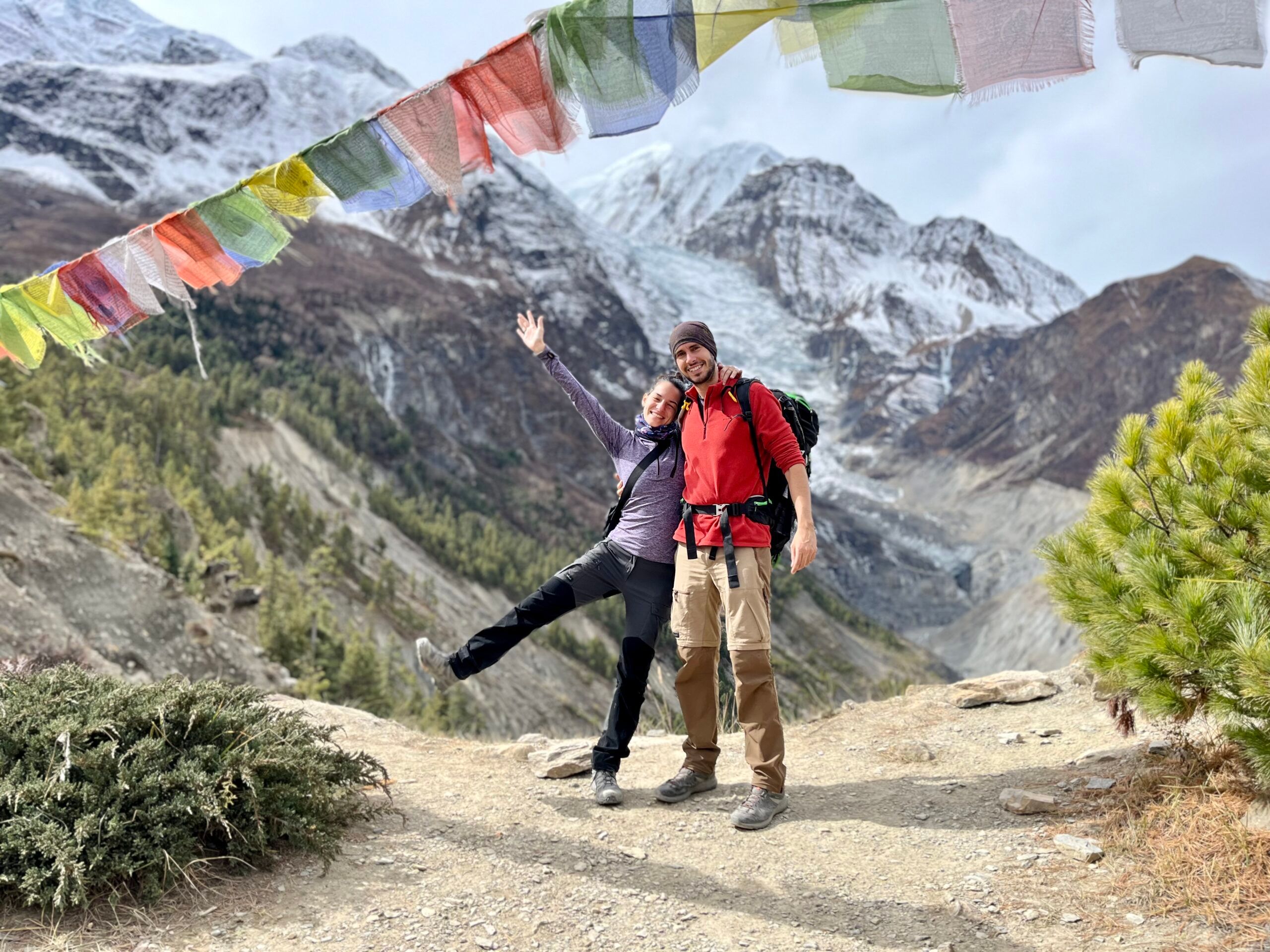
Trekking and mountaineering are activities that require preparation. Getting out of the city to disconnect in nature is an incredible experience, but it demands having the right gear. When it comes to mountain clothing, it's not enough for us to like the color or design; it needs to perform specific functions to make the most of the limited resources we have at altitude.
The main goal? To maintain body temperature, manage perspiration, and ensure your safety in any weather so you canLiveThe mountain without worries.
10 must-have features for your mountain gear
Before understanding how to layer your clothing, it's essential to know what specific features to look for when choosing your gear. Your clothing should be:
- Comfortable:You'll be hiking with a backpack and moving your whole body. Your clothing should fit well, without being too tight or too loose, to avoid chafing and allow freedom of movement.
- Lightweight:All the weight is on your back. Select technical and durable materials that don't add unnecessary weight. ForexploreFor long distances, lightness is key.
- Versatile:You must adapt to different situations and temperatures on the same trip.
- Not very bulky:It packs easily in your backpack. A compact garment allows for better mobility.
- Visible:Bright colors or reflective details increase your safety, especially in low-light or foggy conditions, making identification easier from a distance.
- Warmly dressed:Fundamental for preventing hypothermia and maintaining proper body temperature in cold or high-altitude environments.
- Waterproof:Essential to prevent rainwater or snow from getting in. Look for technical membranes (like Gore-Tex or H2No) that repel water.
- Breathable:It must allow sweat vapor to escape. If moisture builds up inside, the cold will be inevitable.
- Thoughtfully designed:Aesthetics add value, but design must serve functionality.
- In good shape:Check your clothing before each outing. Make sure it has no tears and is clean and dry to prevent structural failures during the activity.
Dressing like an onion: The 3-Layer Theory
To make all this possible, we use the layering technique in the mountains. It involves combining several garments to create a small microclimate that shields you from extreme weather and your own perspiration. Each layer plays an irreplaceable role.
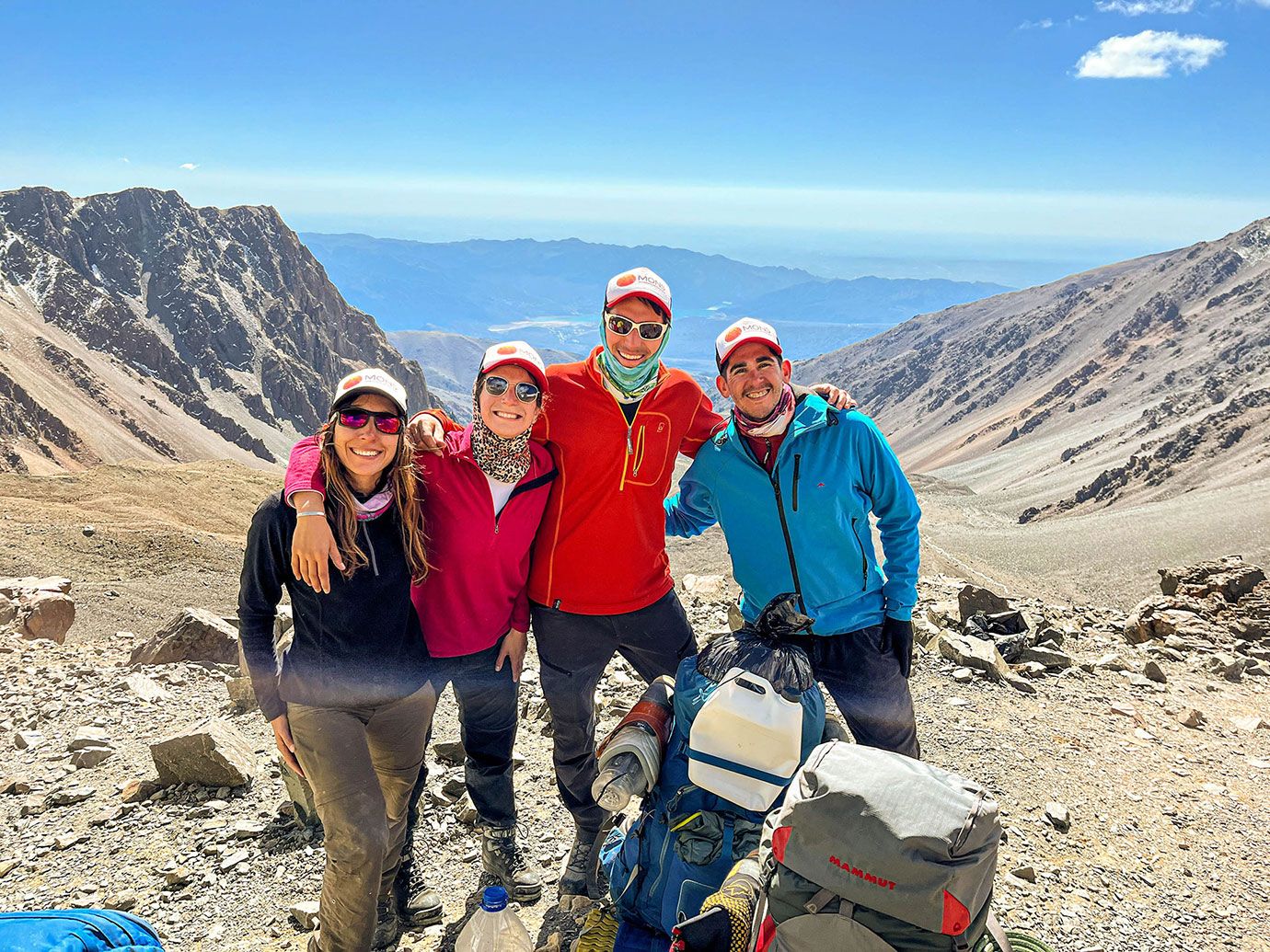
First Layer: The secret to avoiding moisture
This layer is your "second skin". Its primary functionIt's not just about warmth, but instead to wick perspiration away from the body to prevent that damp feeling and sudden chilling. They should be breathable, quick-drying, and very soft to the touch.
To make the best choice, consider the climate and the activity's intensity. A higher grammage (e.g., 200 g/m²) provides more warmth for cold climates, while a lower one (150 g/m²) is perfect for better ventilation.
Synthetic Fabrics (Polartec, Dryarn) vs. Merino Wool: Which to choose?
- Synthetic Fabrics:They dry very quickly, making them ideal for heavy sweating. They offer good protection, but their main focus is on wicking moisture. They have a soft fit, but their weak point is that they tend to retain more body odor after several days of use.
- Merino Wool:It has a moderate drying time, but its great advantage is that it retains body heat even when the fabric is wet. Being a natural fiber, it is extremely soft and offers excellent odor control, ideal for prolonged expeditions.
Second Layer: Retain body heat
The second layer works like a thermos: it traps the heat your body generates while you move and prevents it from escaping. Its mission isn't to warm you directly, but to retain your temperature, allowing sweat to continue its journey outwards.
Here's the big debate when it comes toascendis the filling material:
- Goose Down (The gold standard):They offer unparalleled warmth and lightness. They compress easily, taking up little space. Quality is measured by theFill Power(600 for trekking, 800+ for high mountain). Their disadvantage? They are vulnerable to humidity; if they get wet, they lose their insulating power.
- Synthetic Fabrics (The versatility):Technologies like Primaloft® or Polartec® maintain their insulation capacity even when wet. They are ideal for very humid climates (like Patagonia) or people with a high perspiration rate. While they are a bit heavier and bulkier than down, they are more resistant, versatile, and economical.
Third Layer: Your shield of extreme protection
The third and final layer's main purpose is to shield you from external moisture (rain/snow) and wind. No matter how much insulation you're wearing underneath; if the wind cuts through your clothing, it will steal your warmth through convection in seconds.
This layer must fulfill three strict objectives:
- Waterproofness:Prevent water from penetrating your thermal layers.
- Wind protection:Act as a total barrier.
- Breathability:Let all the generated steam escape so you don't get soaked from the inside.
The clothinghardshellthird-layer use high-tech microporous membranes. The most well-known areGore-Tex®eVentorH2No®(from Patagonia). When choosing yours, make sure it has heat-sealed seams and always try it on with your inner layers on to ensure freedom of movement.
Ultimately, mastering the technique of dressing in layers and knowing your materials is key toexplorenature with complete peace of mind. Your equipment is your main safety net in the mountains.